Advancing Climate Justice and Smallholder Farmers’ Resilience in West Timor
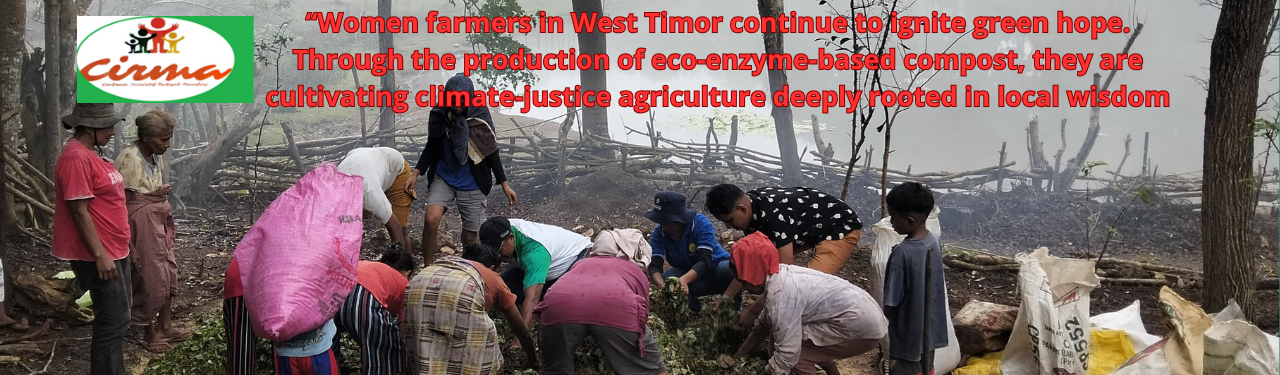
West Timor is a land blessed with rich cultural traditions and strong communal s...
Advancing Climate Justice and Smallholder Farmers’ Resilience in West Timor
Empowering the Poorest of the Poor in Rural Areas
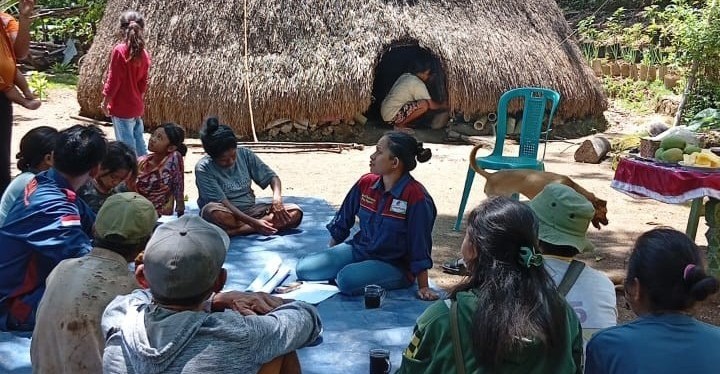
We envision a world where the rights of every individual, regardless of their ci...
Empowering the Poorest of the Poor in Rural Areas
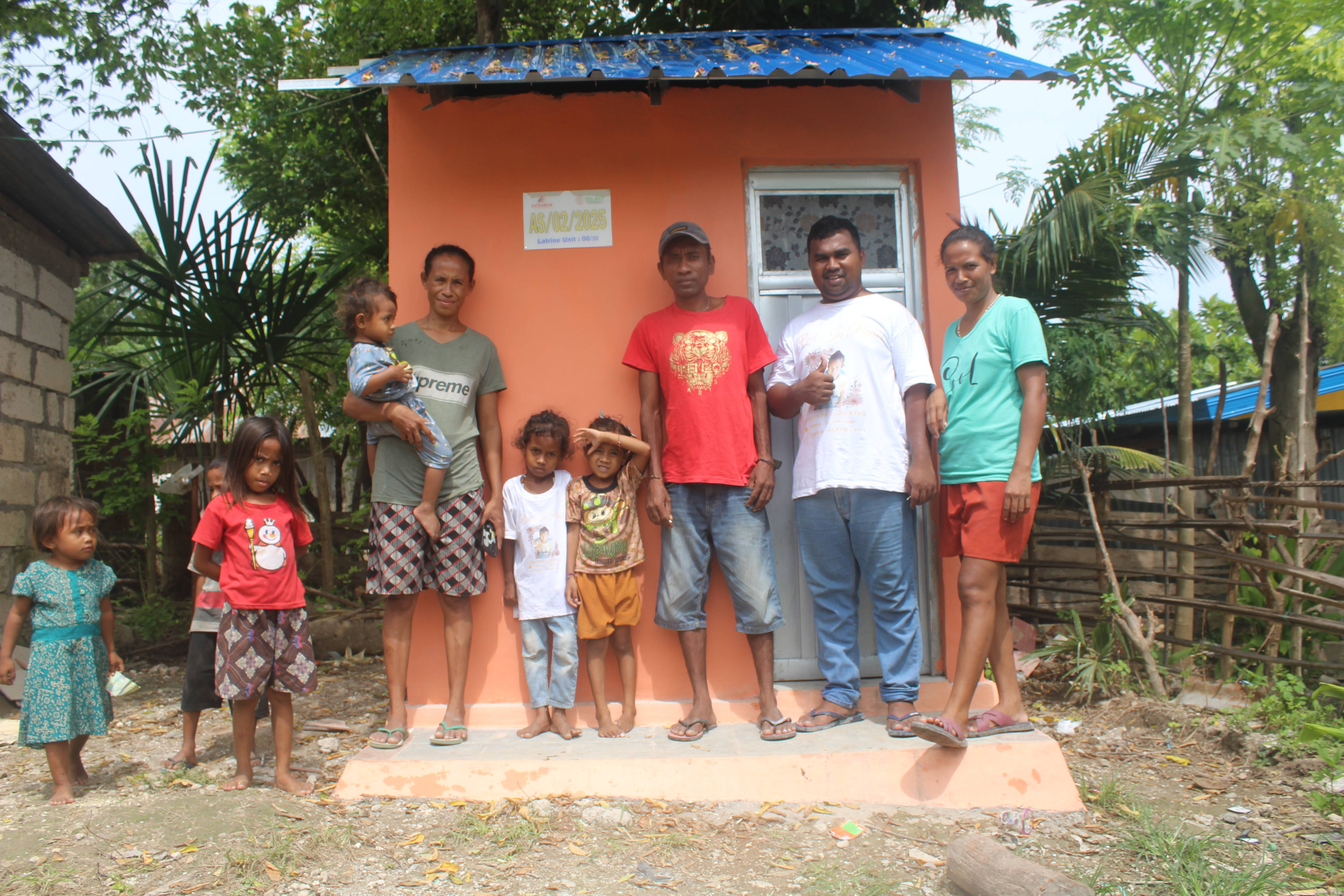
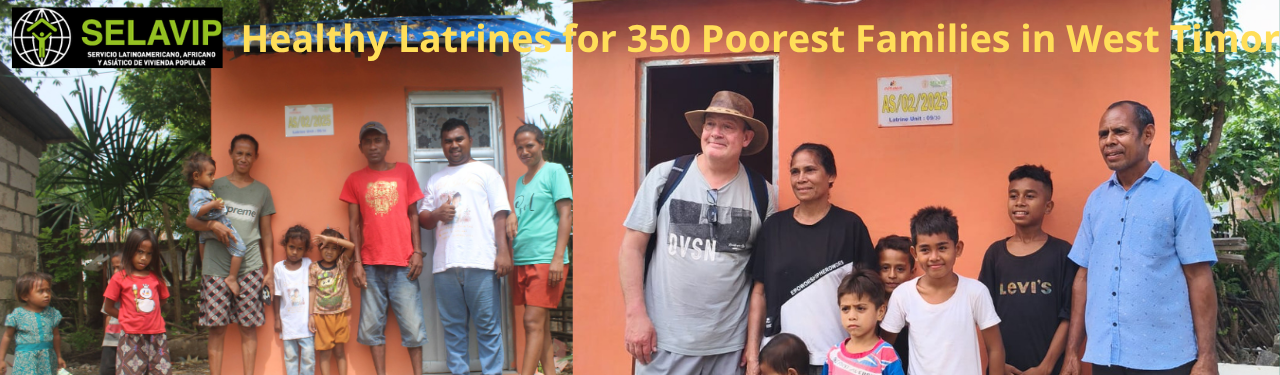
Healthy Latrines for Extreme Poor Families: Restoring Dignity and Health from Tanah Merah and Oebelo
Amid rapid development, many rural families still lack access to proper sanitati...
Healthy Latrines for Extreme Poor Families: Restoring Dignity and Health from Tanah Merah and Oebelo
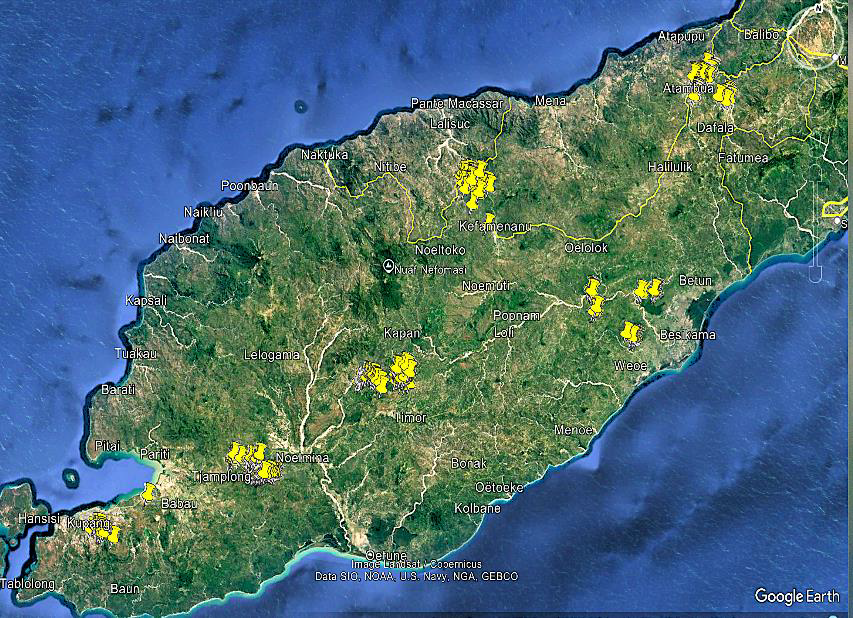
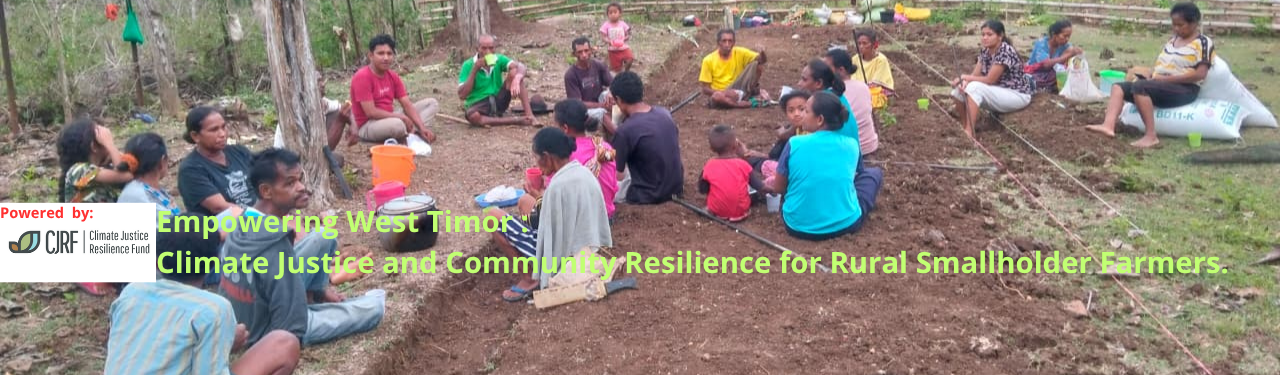
Empowering West Timor: Advancing Climate Justice and Community Resilience for Smallholder Farmers
Timor Barat, wilayah semi-kering di Provinsi Nusa Tenggara Timur, Indonesia, mer...
Empowering West Timor: Advancing Climate Justice and Community Resilience for Smallholder Farmers
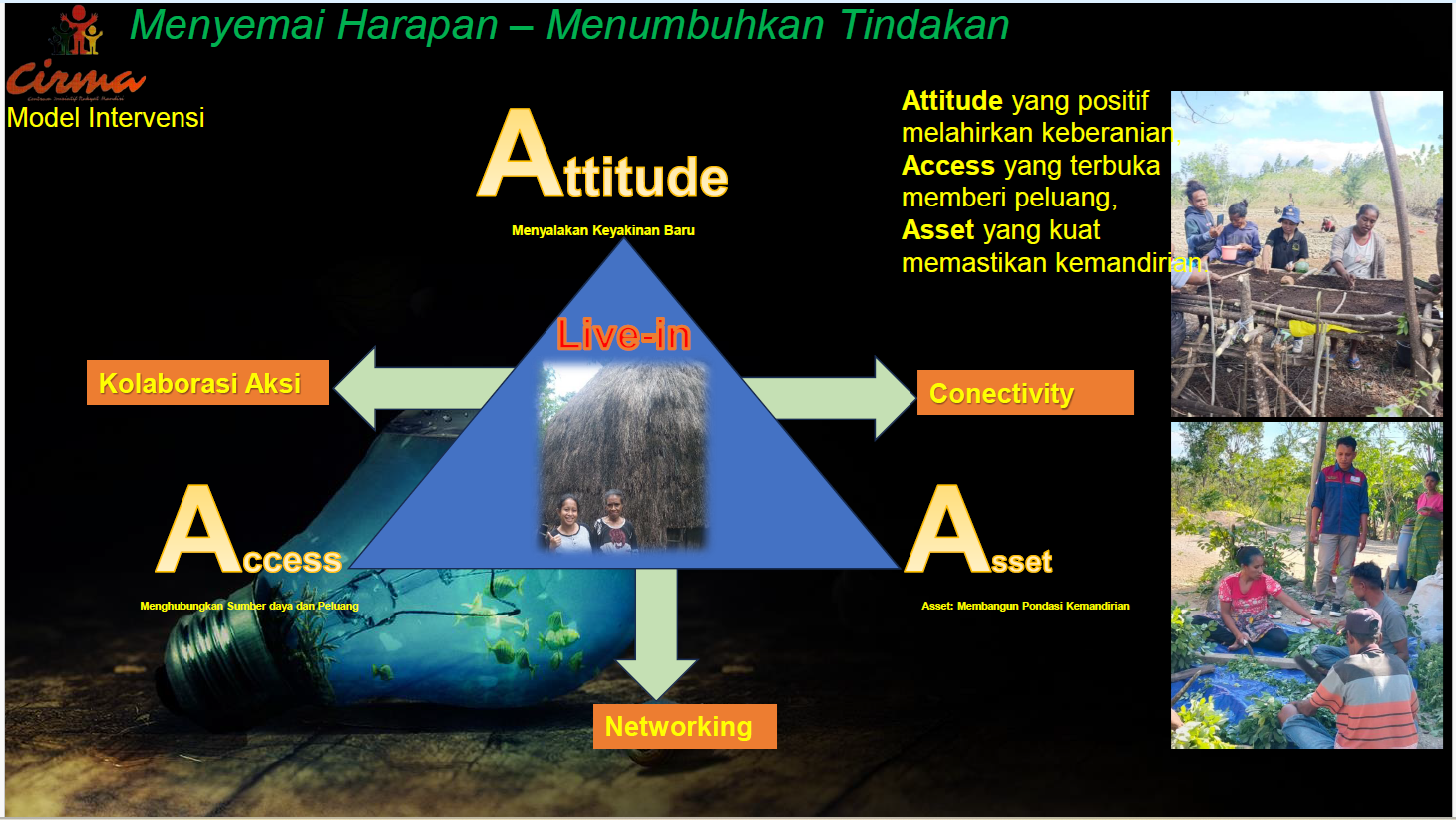
Model Intervensi 3A CIRMA: Membangun Ekosistem Ketahanan Iklim
Pendekatan CIRMA dalam memberdayakan petani kecil di Timor Barat didasarkan pada...
Model Intervensi 3A CIRMA: Membangun Ekosistem Ketahanan Iklim
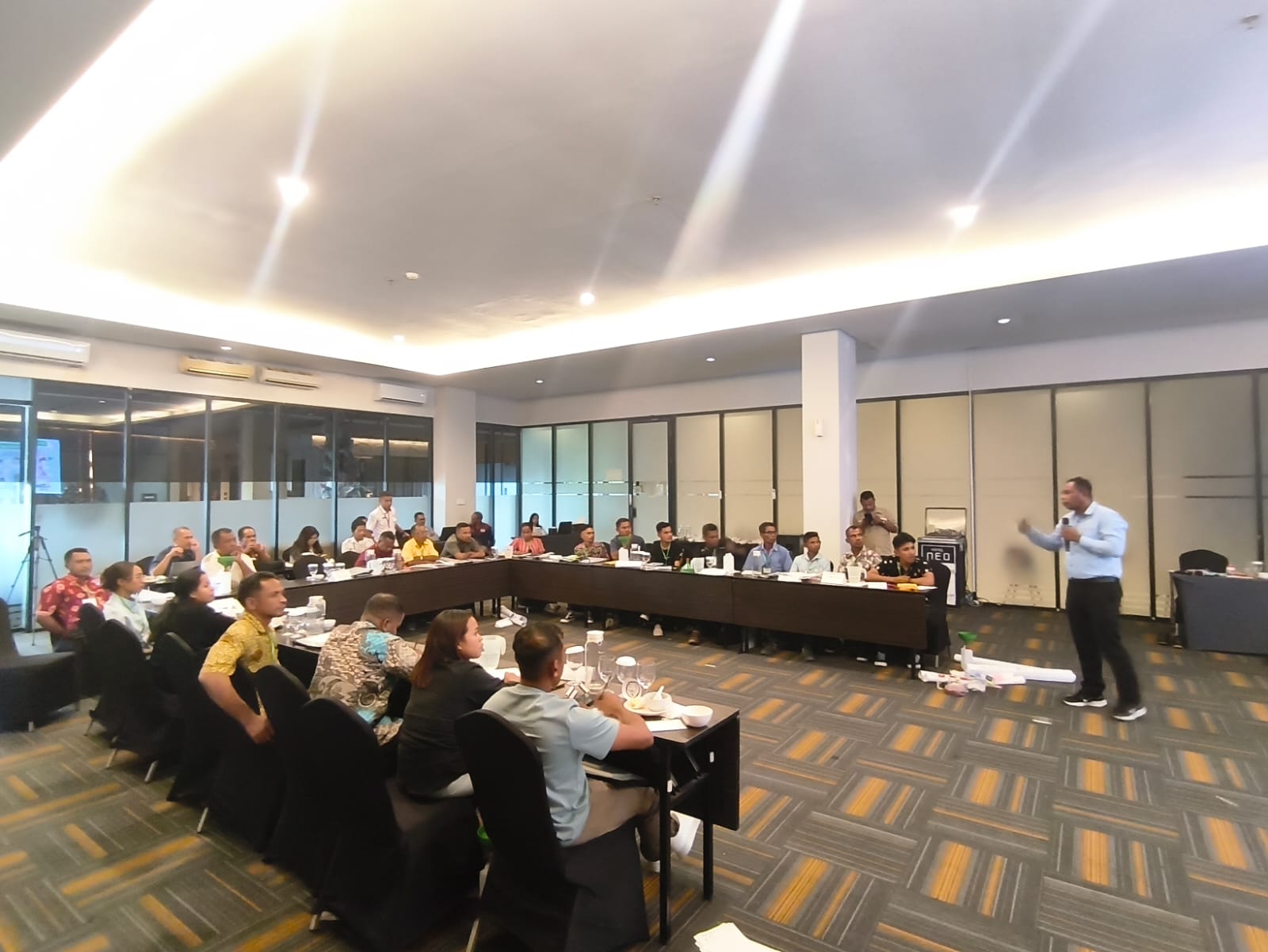
Empowering West Timor: Advancing Climate Justice and Community Resilience For Rural Smallholder Farm
Dalam rangka meningkatkan sinergi bersama, LSM Cirma mengadakan kegiatan yang me...
Empowering West Timor: Advancing Climate Justice and Community Resilience For Rural Smallholder Farm
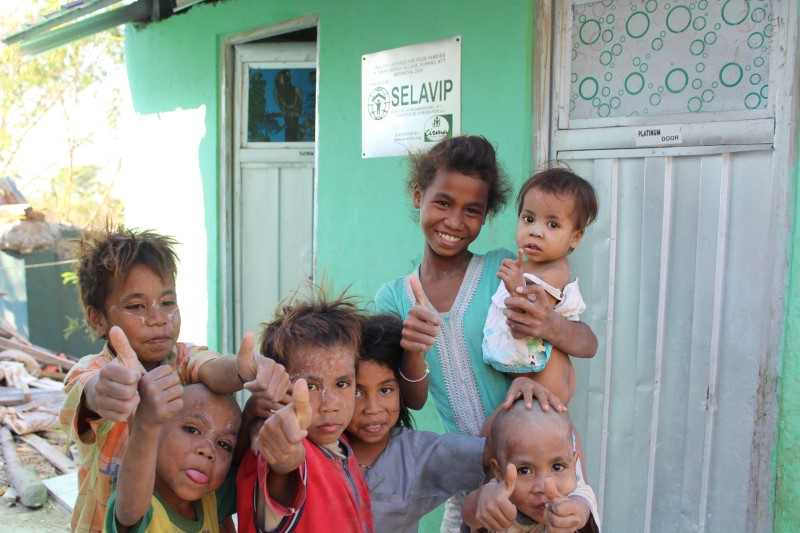
Small Initiative ~ Big Impact: Bridging the Poorest for a Better Life
Turning Challenges into Opportunities We firmly believe that even the smallest ...
Small Initiative ~ Big Impact: Bridging the Poorest for a Better Life
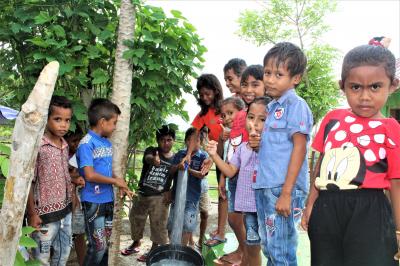
Transforming Lives: Each Burst Brings Hope for Clean Water Access
Transforming Lives: Each Burst Brings Hope for Clean Water Access" Acces...
Transforming Lives: Each Burst Brings Hope for Clean Water Access
Small Initiative ~ Big Impact: Bridging the Poorest for a Better Life
Turning Challenges into Opportunities
We firmly believe that even the smallest initiative can have a monumental impact. We are dedicated to bridging the gap and creating positive changes in the lives of the poorest individuals and families. Our commitment to change is fueled by a deep sense of empathy and a vision for a brighter future.
Empowering Pregnant Women
We understand the unique challenges faced by pregnant women in impoverished communities. In many cases, access to proper sanitation facilities can be a struggle. Their small yet impactful initiative involves the construction of emergency latrines, often ingeniously built from locally sourced materials like palm trees. These latrines provide pregnant women with the dignity and privacy they deserve during a critical time in their lives.
Safe and Sanitary Spaces
These emergency latrines are more than structures; they represent safe and sanitary spaces where pregnant women can tend to their needs with comfort and security. It's a small step, but it makes a world of difference in ensuring the health and well-being of both mothers and their unborn children.
0 Komentar
Isi Komentar
CIRMA: Making a Real Impact for the Poorest Community
CIRMA(Centrum Inisiatif Rakyat Mandiri) is a civil society organization established on May 18, 2018, in response to the persistent realities of extreme poverty affecting urban poor settlements, peri-urban communities, and rural populations across eastern Indonesia. From its inception, CIRMA has understood poverty not only as an economic condition but as a multidimensional challenge involving dignity, inequality, ecological vulnerability, and limited access to essential services. The organization began its work by addressing critical needs in water, sanitation, and public health through community-based initiatives such as well drilling, healthy latrine construction, and the revitalization of village water systems for underserved households.
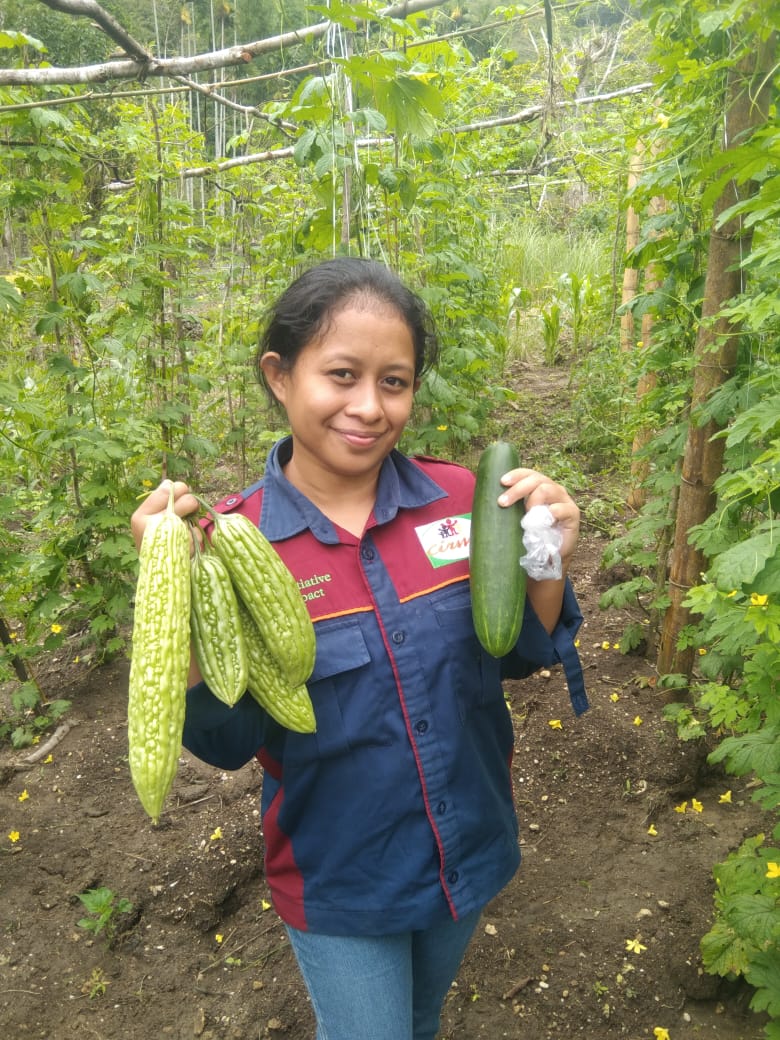
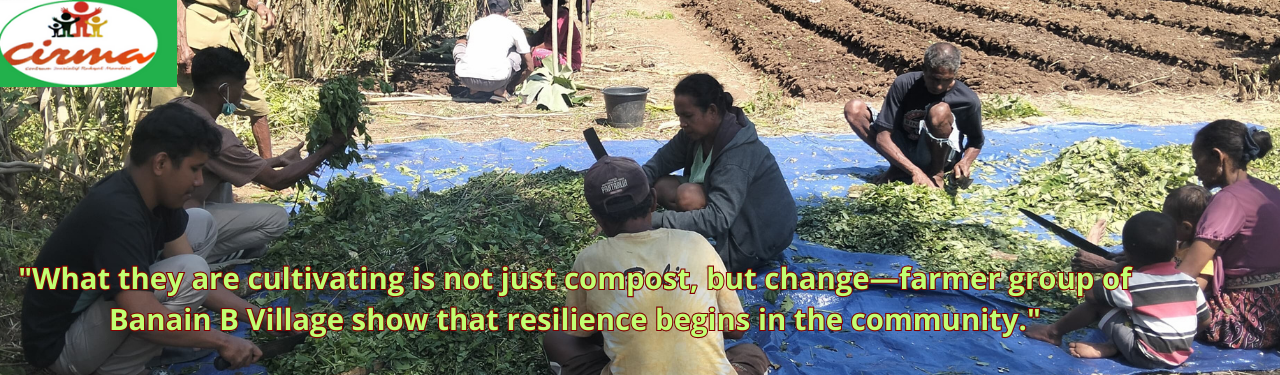
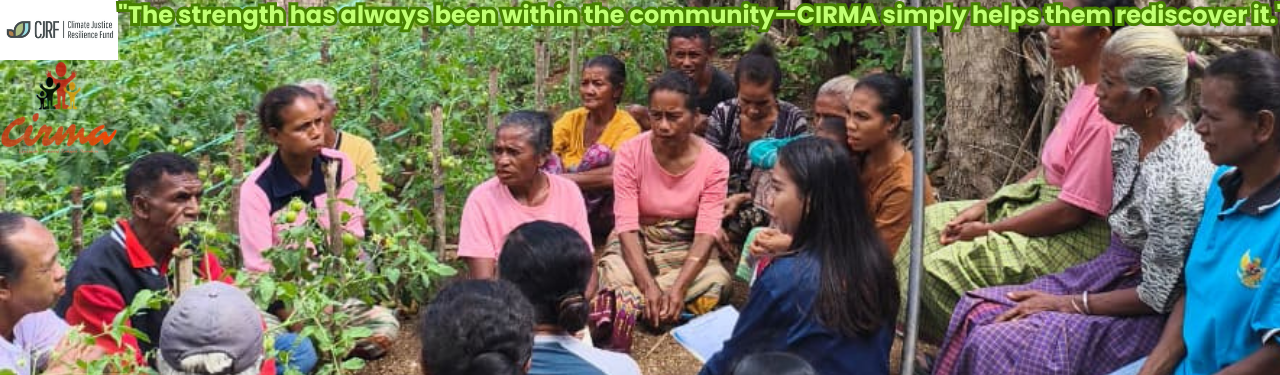
CIRMA has expanded its mission toward strengthening climate justice and ecological resilience among smallholder farmers in West Timor’s dryland ecosystems. Its current programs focus on climate-resilient agriculture, eco-enzyme–based ecological farming, access to climate information services, farmer group strengthening, and cooperative development. CIRMA also integrates nutrition-sensitive interventions—particularly for women and children in low-income rural households—by linking sustainable food systems, maternal health, and community-based nutrition education as part of a holistic approach to rural well-being.
As a community empowerment approach for poor and vulnerable groups, CIRMA applies a 3A intervention model: Attitude, Access, and Asset Transfer, operationalized through a Live-in method. This approach involves facilitators living and working alongside community members over a defined period to foster behavioral change (attitude), expand access to services, knowledge, and networks (access), and enable the transfer of context-appropriate productive assets (asset transfer). This model has demonstrated effectiveness across multiple intervention areas in West Timor by strengthening farmer group institutions, improving household livelihood resilience, and enabling participatory and sustainable community transformation.
CIRMA works collaboratively with local governments, academic institutions, grassroots organizations, and international development partners including Vitamin Angels America, the New Zealand Embassy, Japan Water Fund, SELAVIP Chile, and the Climate Justice Resilience Fund (USA). Through these partnerships, CIRMA advances inclusive, community-led development while representing the voices of smallholder farmers from West Timor in broader national and global climate justice platforms. Legally registered and operating at the sub-national level, CIRMA continues to bridge knowledge, innovation, and collective action to support a just, climate-resilient, and dignified future for marginalized communities.
Project
Improving Toilets for Displaced People
2025-2026Donatur: SELAVIP CHILE
CIRMA proposed an initiative to construct 30 household sanitation toilets for 30 poor families living in the Los Palos resettlement area of Oebelo Vil...
Empowering West Timor: Advancing Climate Justice
2025-2027Donatur: CJRF - USA (Climate Justice Resilience Fund)
Title : “Empowering West Timor: Advancing Climate Justice and Community Resilience for Rural Smallholder Farmers”. Background & Context We...
Healthy Latrines for Frontier Poorest Households
2025-2026Donatur: SELAVIP CHILE
SELAVIP Foundation was created by the Belgian priest Josse van der Rest Emsens sj (1924 – 2020) being its concern and main mission to help the most...
Improving Access for Poor Families to Clean Water
2024-2025Donatur: Japan Water Fund
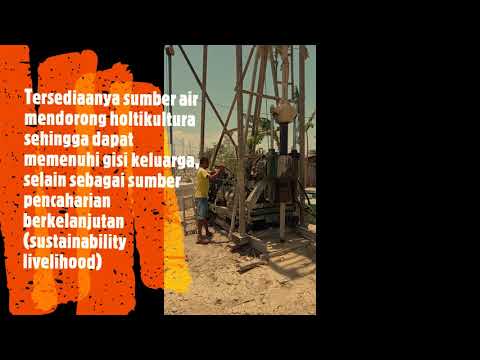
Through the support of the Japan Water Fund (JWF), CIRMA is implementing a program to revitalize the clean water installation and distribution network...
Video Gallery
KRISIS IKLIM MENGUJI, PETANI BANGKIT : MEMBANGUN RESILIENSI DARI DESA | EMAS HIJAU
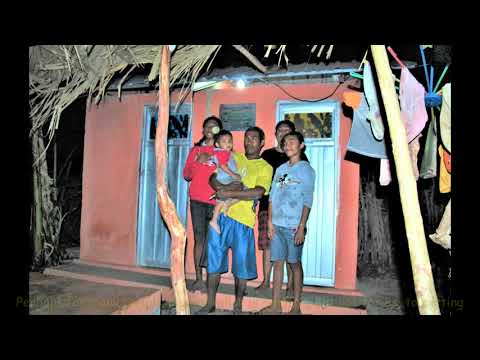
Healthy Latrines for Frontiers Poorest Household in Kabuna
WASH
Testimoni
Clean Water Access
Testimoni
Photo Gallery
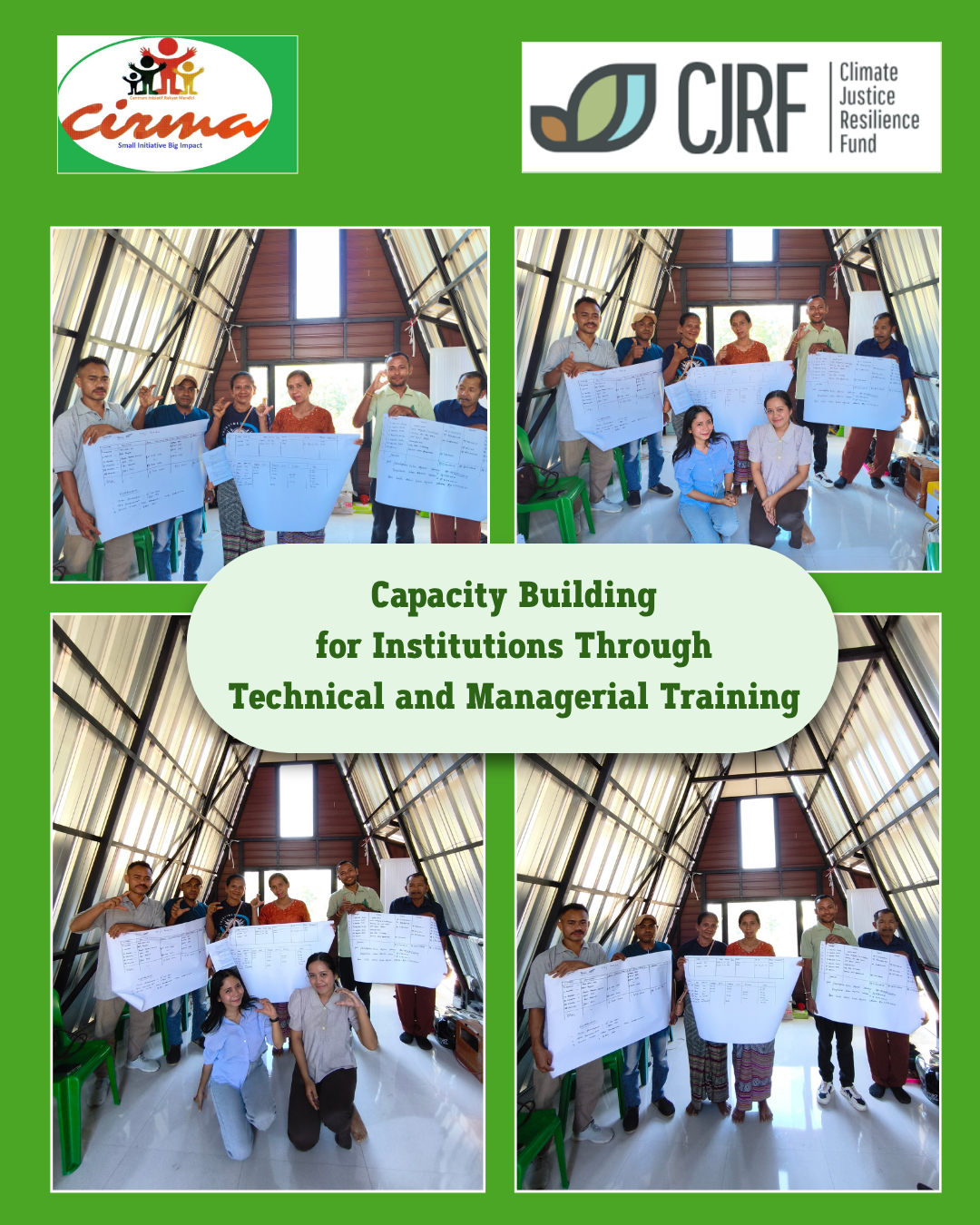
Strengthening Institutional Capacity Through Techn
14 Sep 2026
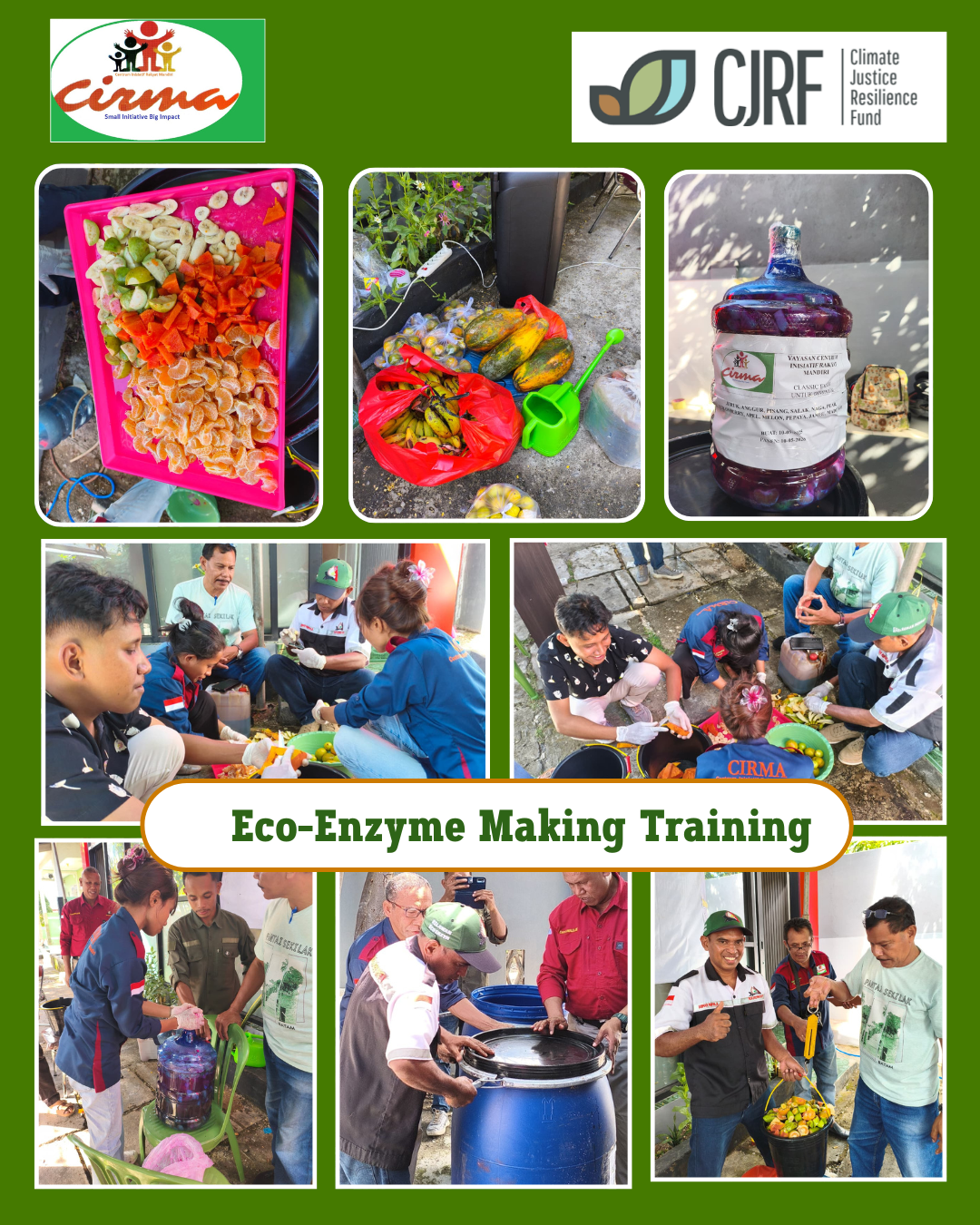
Promoting Environmental Awareness Through Eco-Enzy
14 Sep 2026
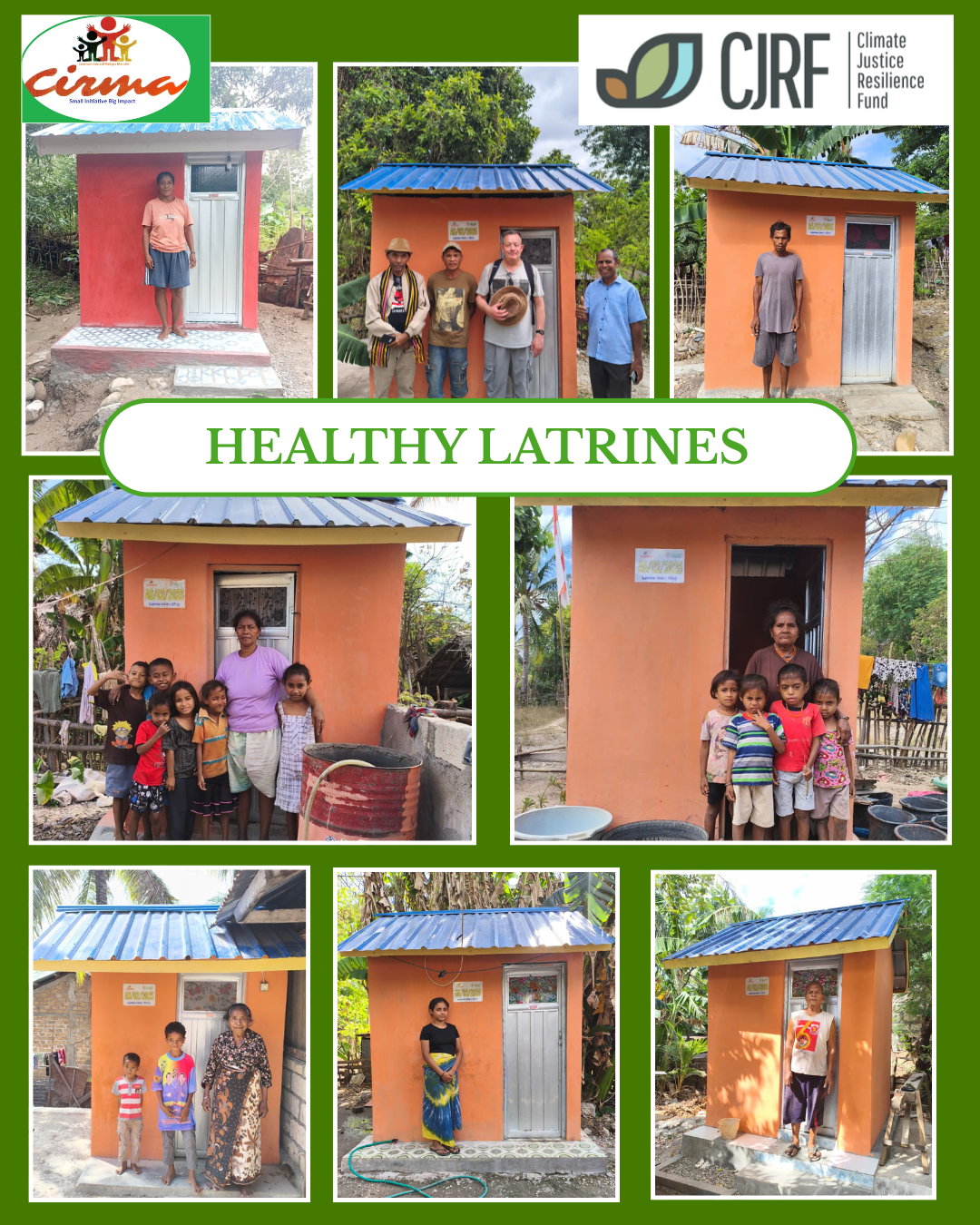
Improving Community Well-Being Through Sanitation
14 Sep 2026
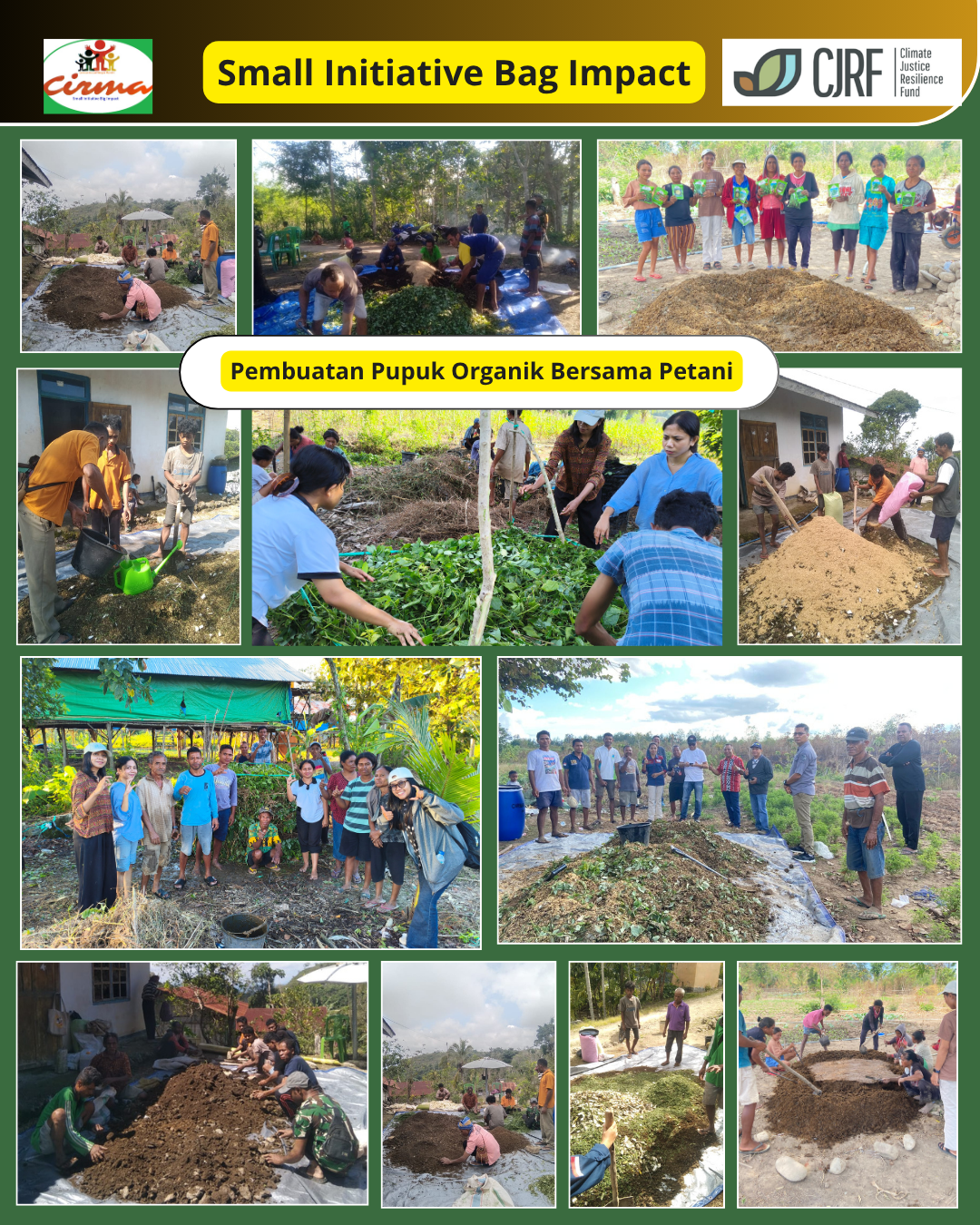
Building Farmer Self-Reliance through Organic Fert
14 Sep 2026
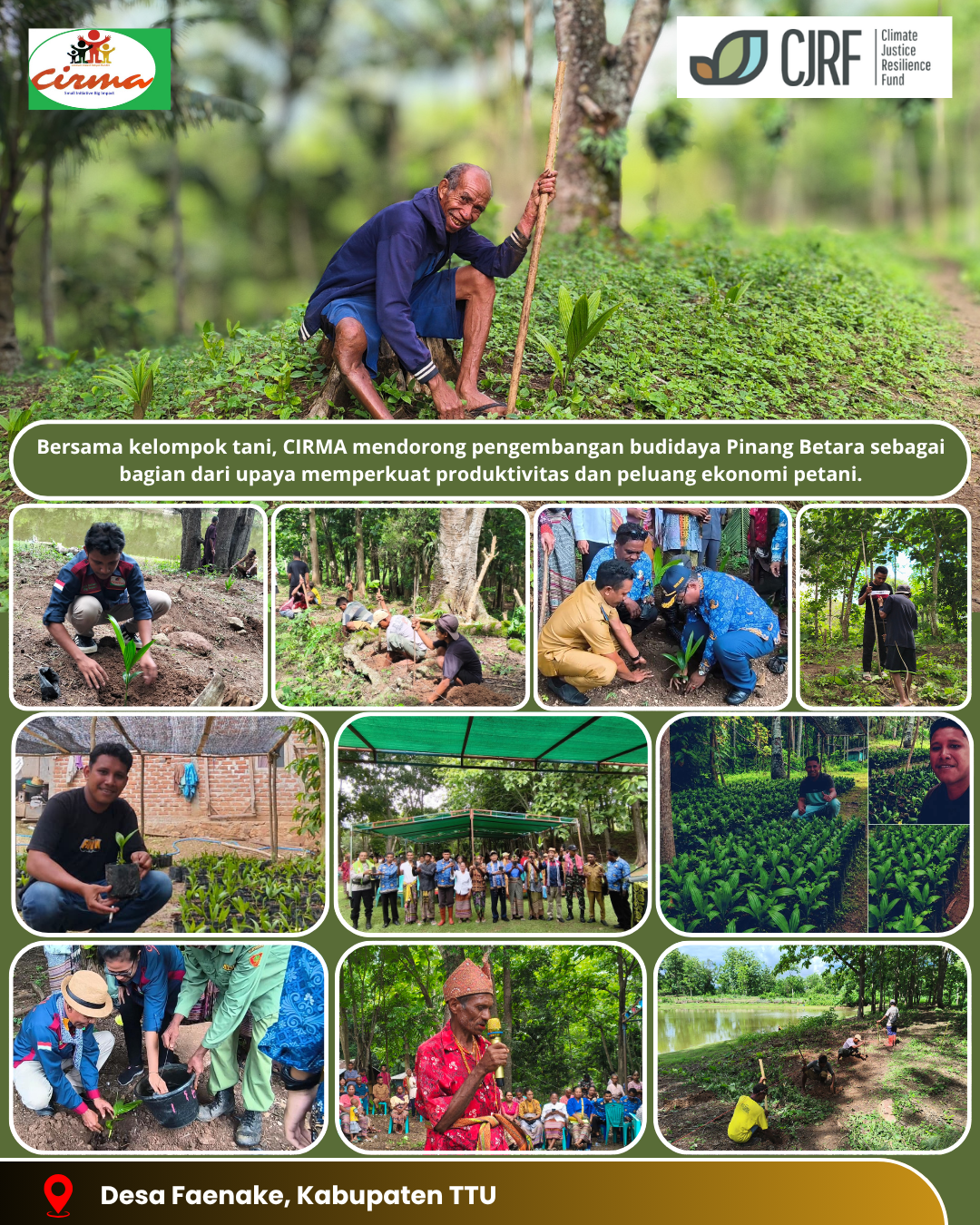
Symbolic Betel Nut Planting with Farmer Groups and
14 Sep 2026
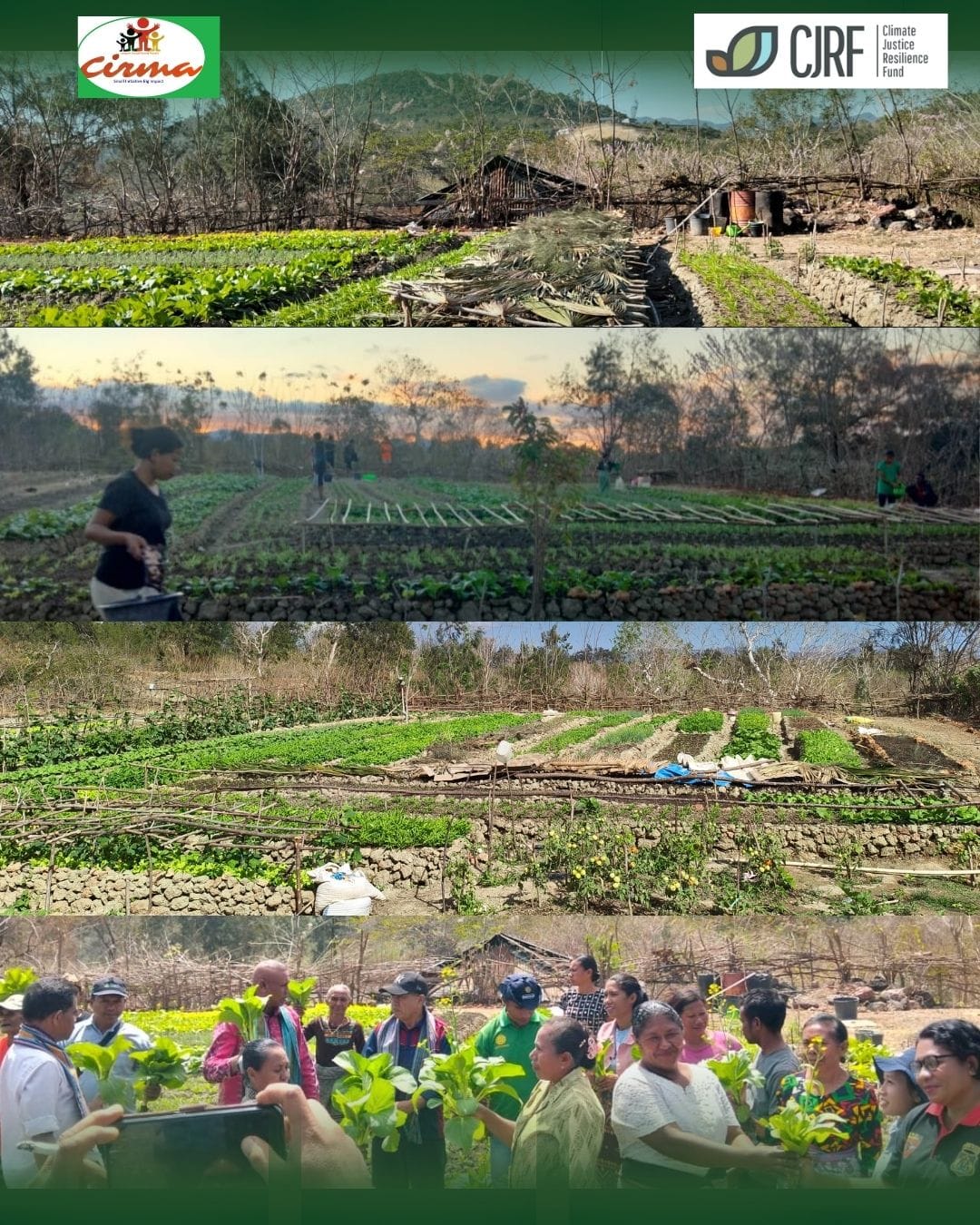
Napan Rises: From Hot Mud to Fields of Life (Part
28 Apr 2026
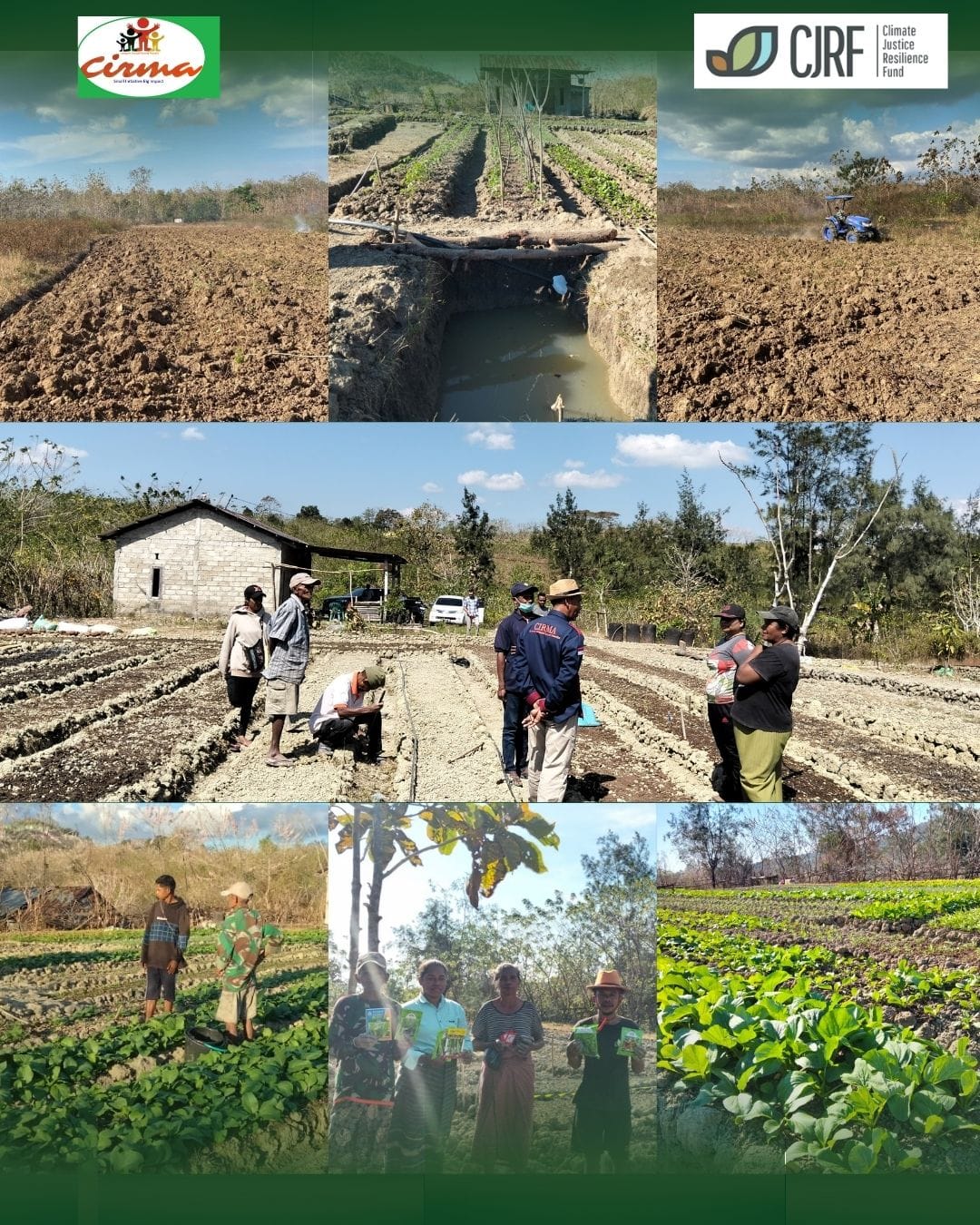
Napan Rises: From Hot Mud to Fields of Life (Part
28 Apr 2026
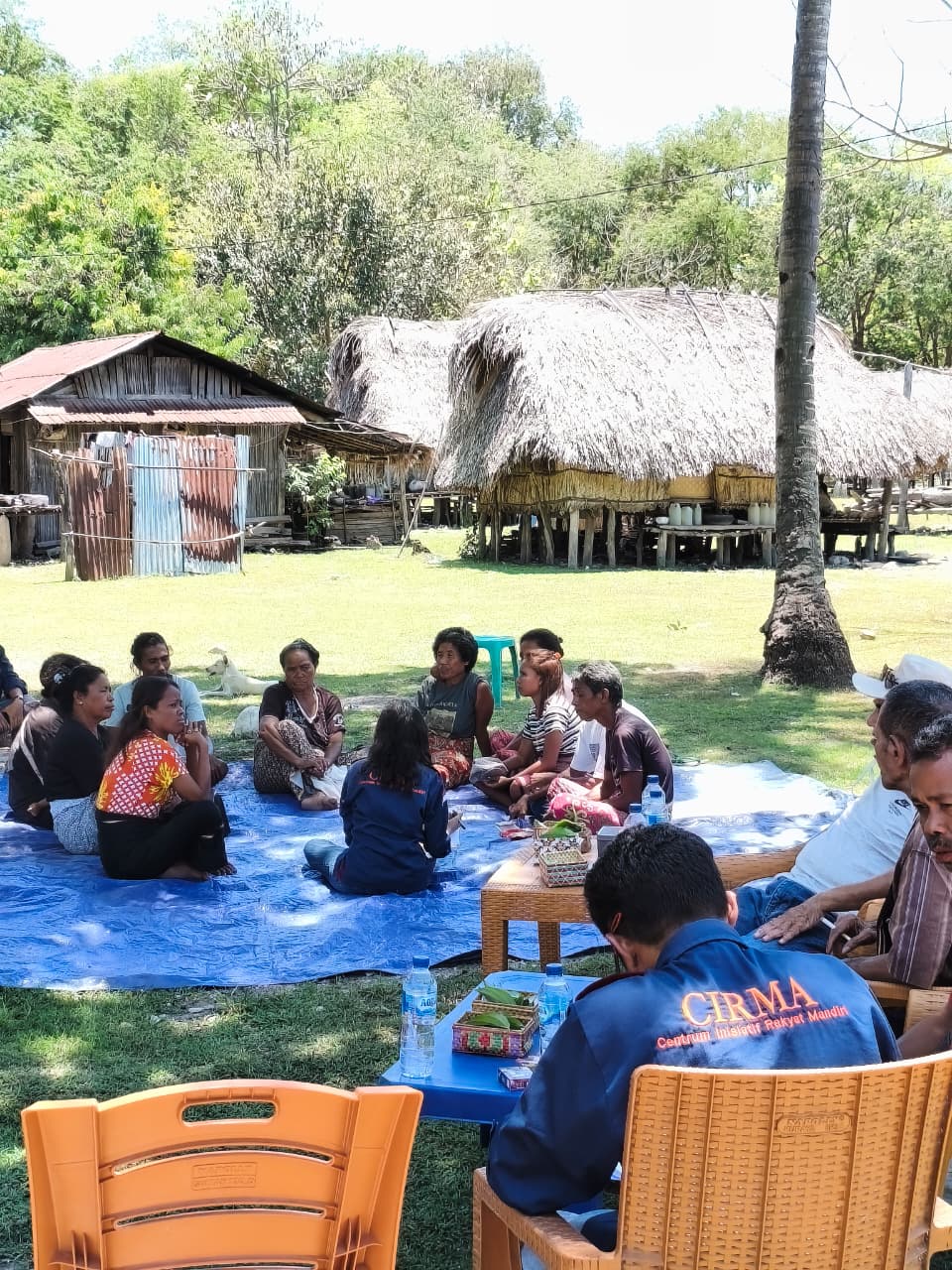
Reflection Sharing Session Women Farmer Group
17 Dec 2025
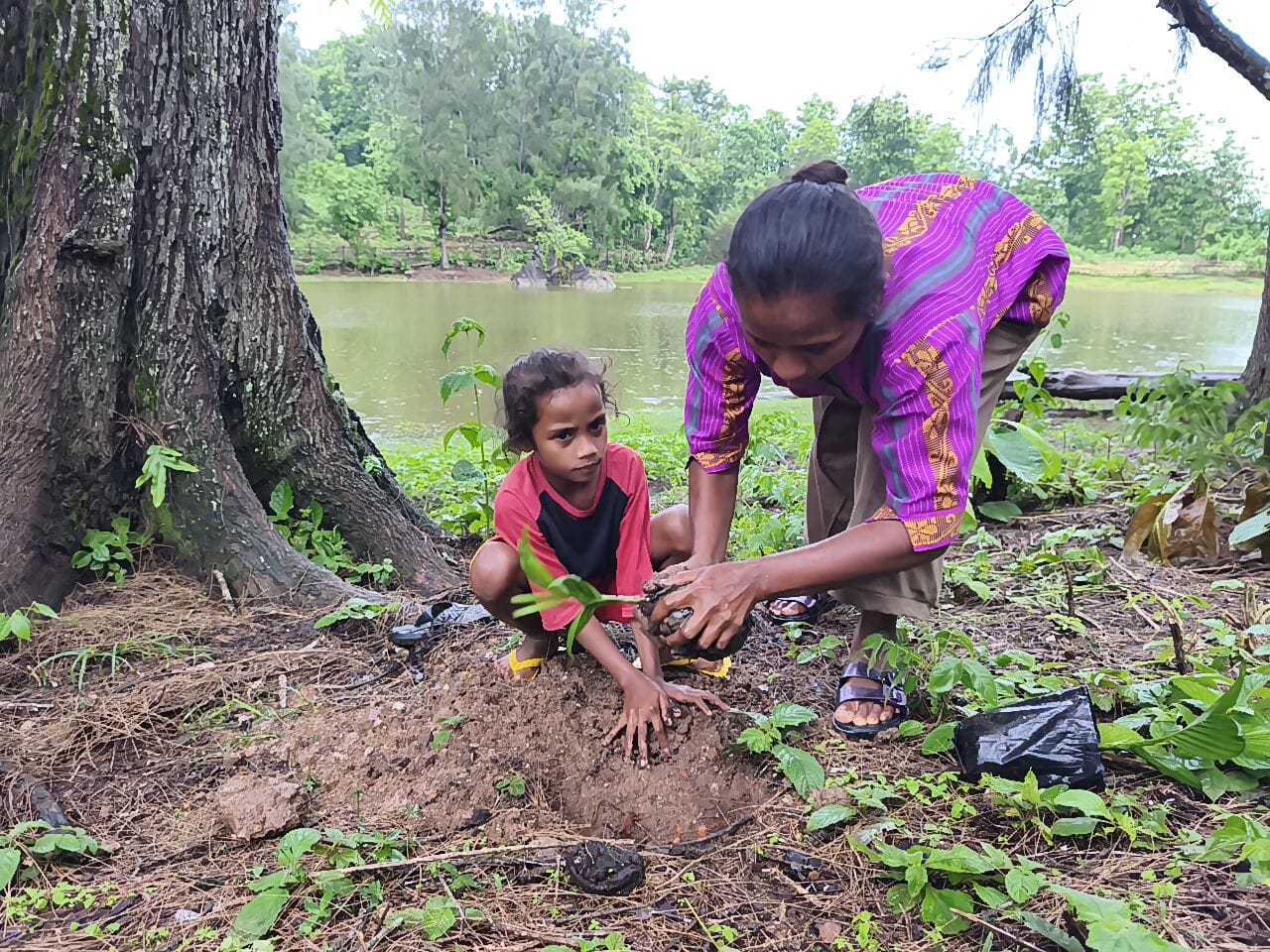
Agroforestry Penyanggah Ekonomi Petani Kecil
17 Dec 2025
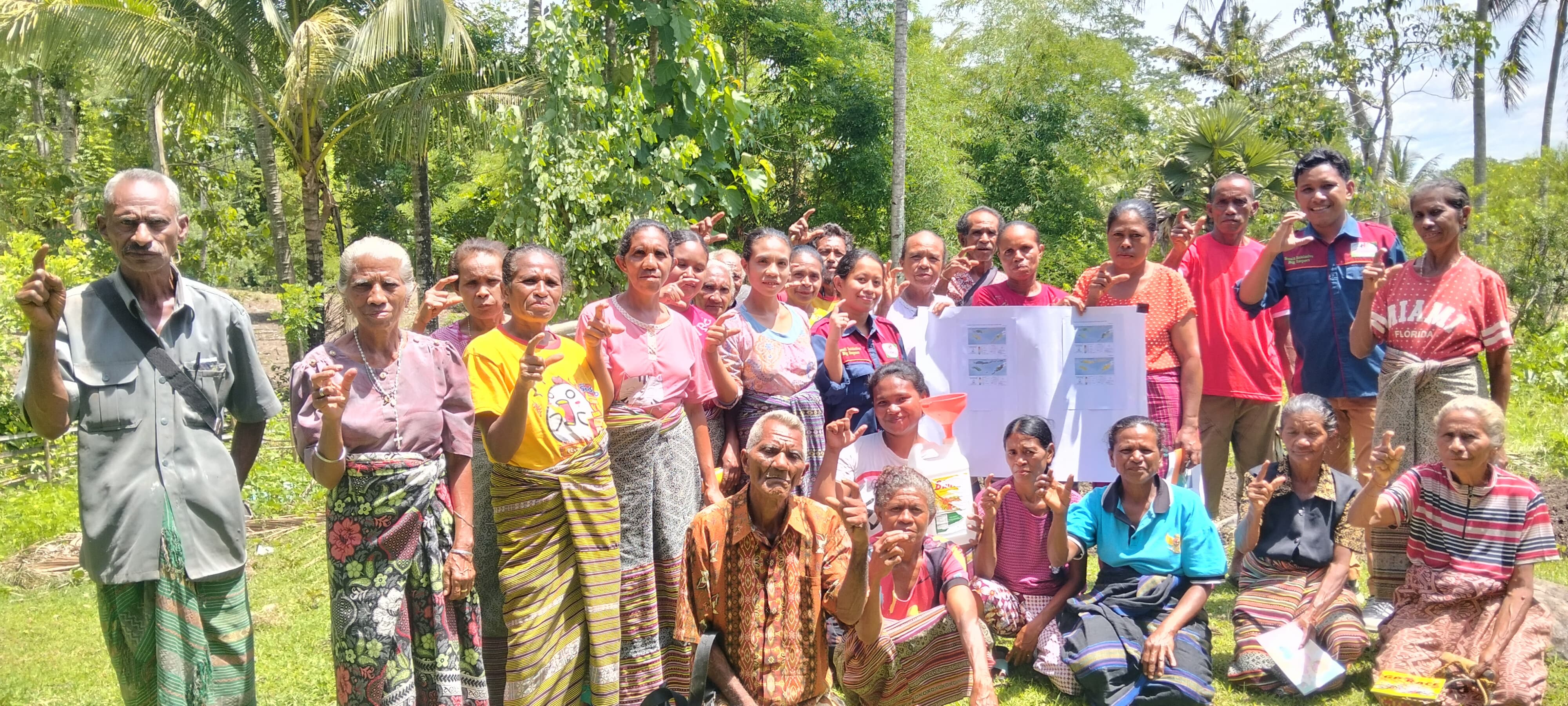
Climate Learning Series
09 Dec 2025
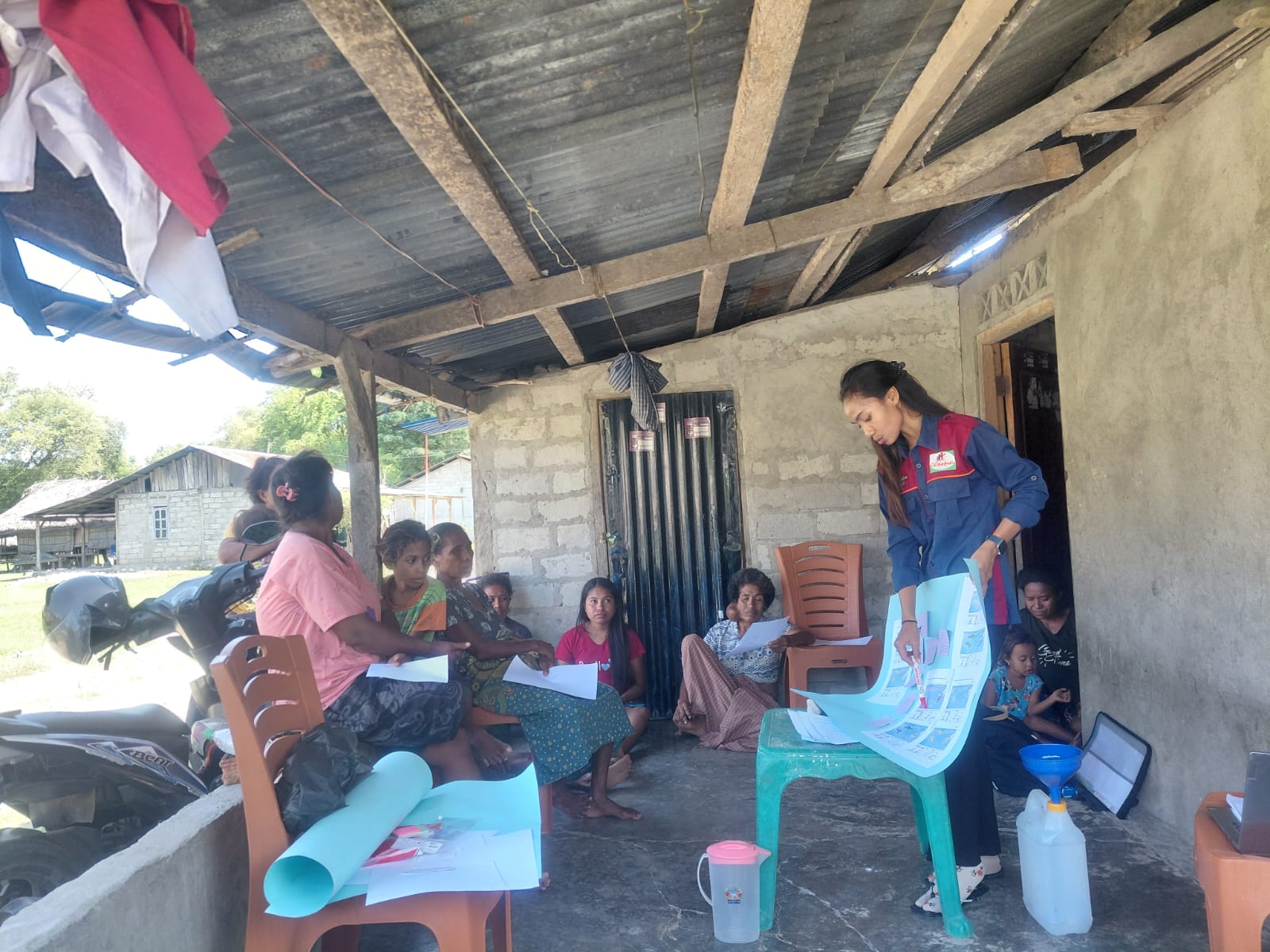
Climate Learning Series
09 Dec 2025
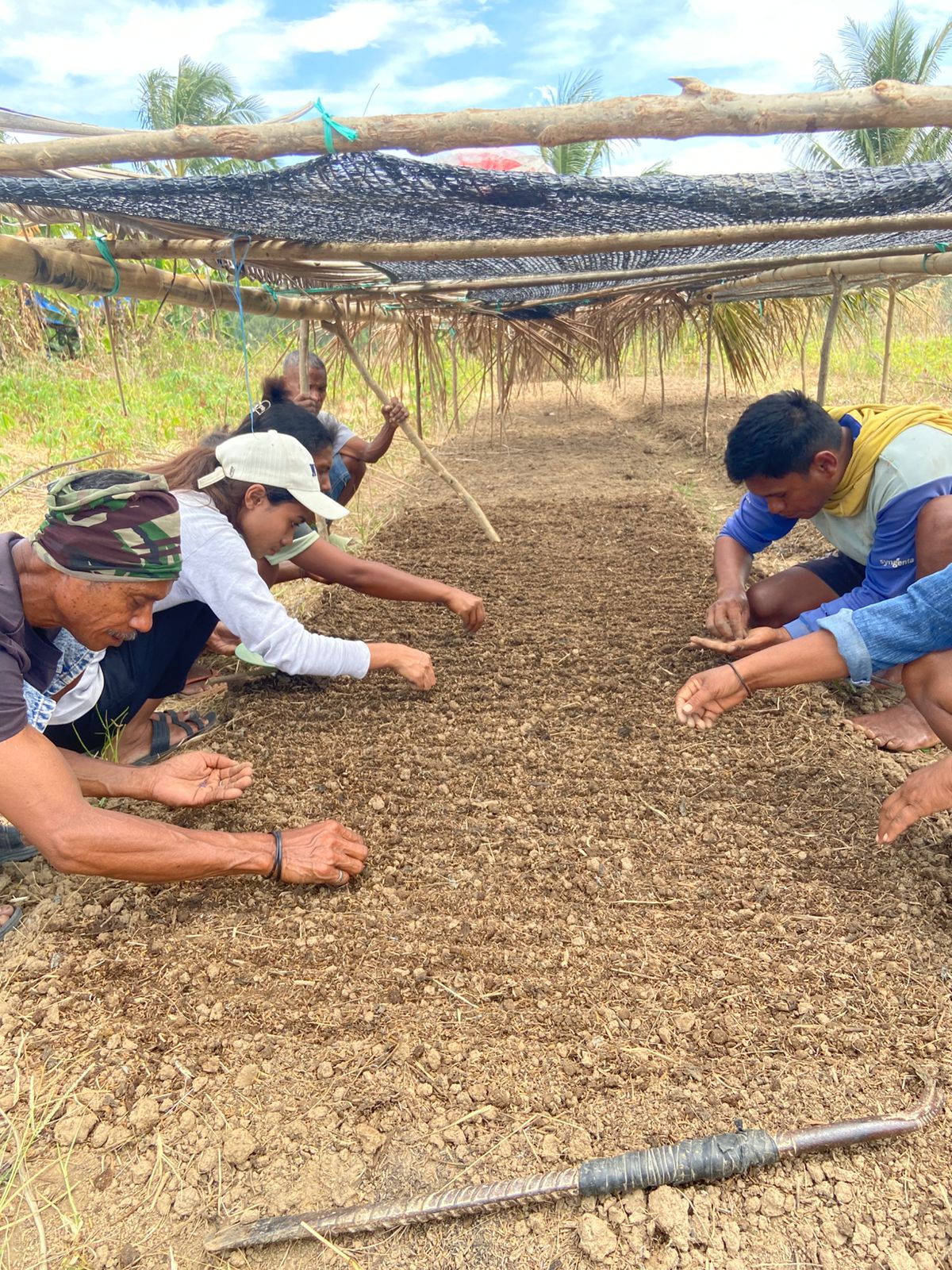
Sowing Hope
08 Dec 2025
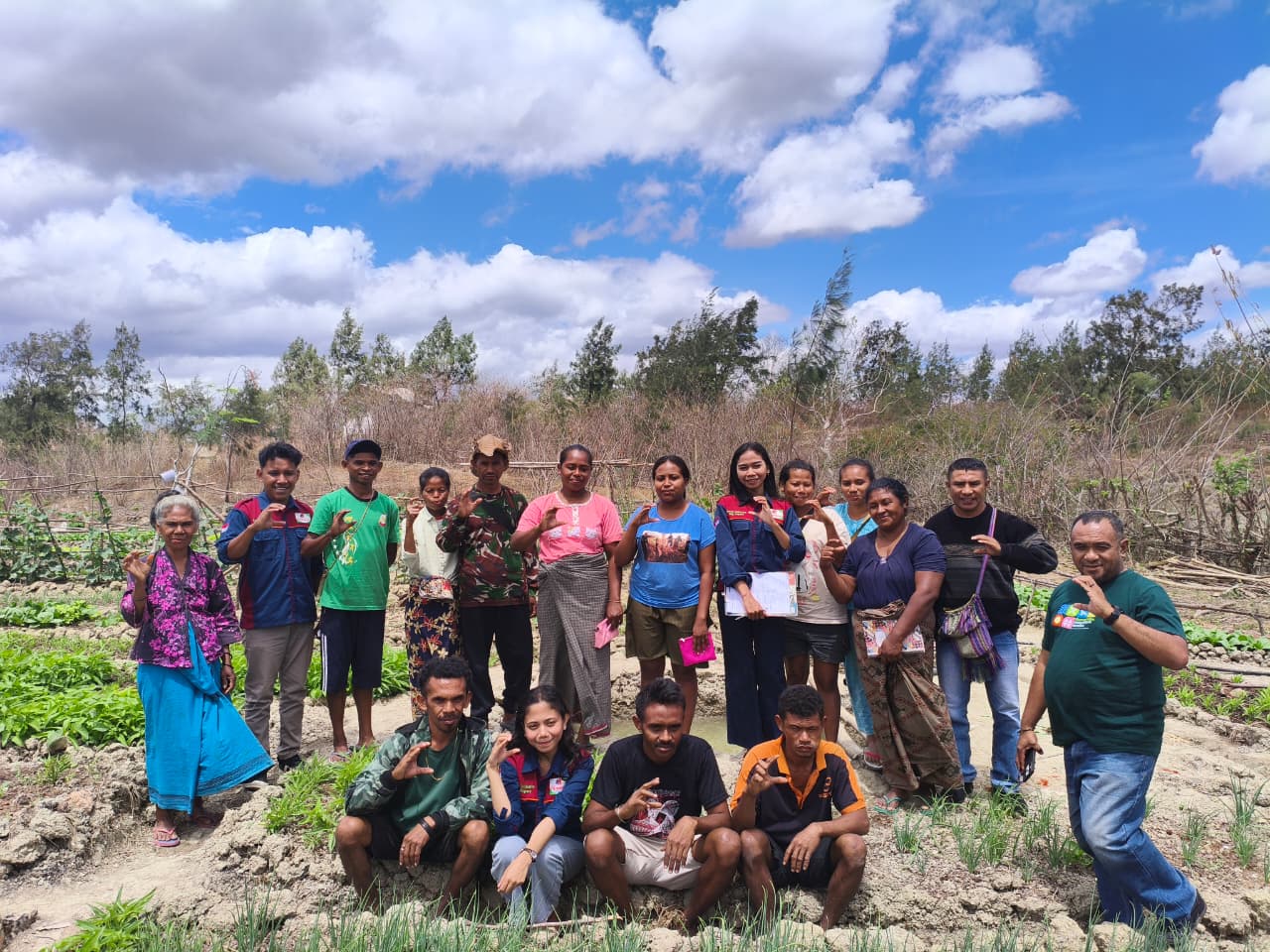
Demplot
02 Dec 2025
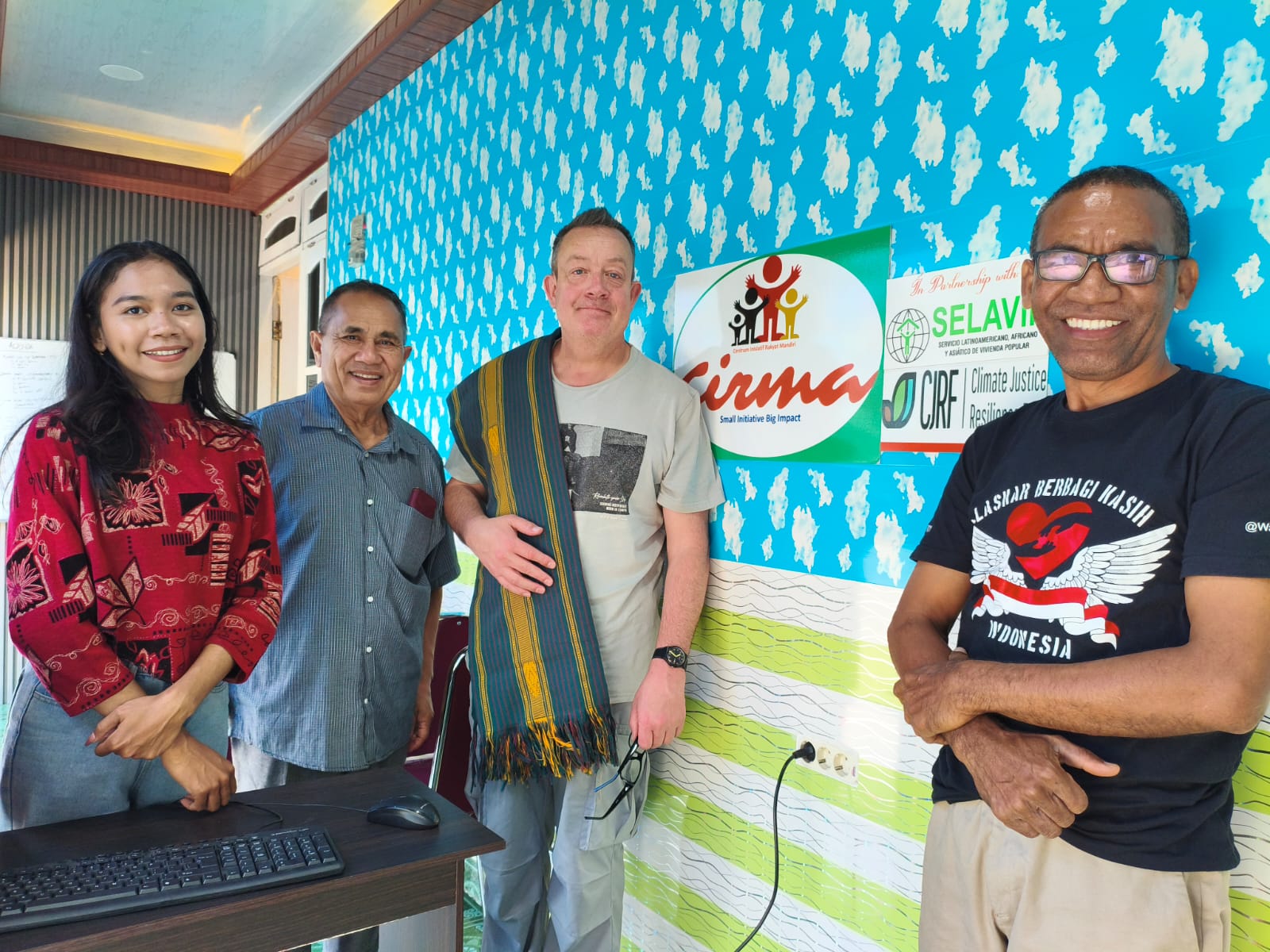
SELAVIP Visits CIRMA, 2025
02 Dec 2025
Community Voice/Suara Komunitas
Kesenjangan harga jual antara petani dan konsumen akhir
Kesenjangan harga antara petani dan konsumen menggambarkan ironi pahit dalam rantai pangan. Petani menjual gabah atau sa...

Maraknya Komoditi Pertanian dipasok dari Luar NTT
Maraknya komoditas pertanian yang dipasok dari luar NTT menjadi ironi di wilayah yang sebagian besar penduduknya adalah ...
Testimonial

Victor Fernandez
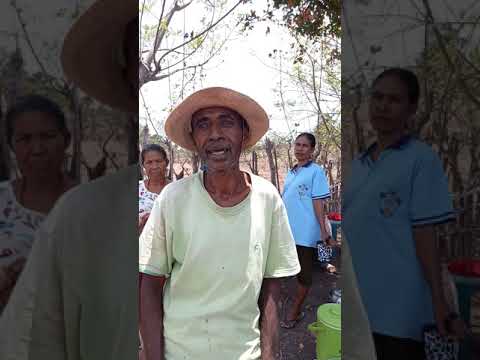
“Since our family received the Healthy Latrine support from SELAVIP and CIRMA, we no longer need to go outside to relieve ourselves, especially at night. I also learned how to maintain hygiene and care for our sanitation facilities in the right way. For us, this support is not just a toilet—it is comfort, health, and dignity for our family here in the Lospalos Resettlement, Oebelo Village.”